Naver Booking (Korean)
General / Conservative Dentistry

Cavity, Root Canal & Gum Care

Conservative care aims to preserve natural teeth. We assess cavities, root canals, scaling needs, gum health and wisdom teeth, even when symptoms seem minor.

Caries Cavity Treatment

An established cavity can worsen and does not repair itself naturally. Do not let dental anxiety delay assessment of a small problem.

Decay begins when acids produced by bacteria damage the hard outer tooth surface. Early decay may cause little pain, but can progress deeper towards the pulp, requiring more extensive treatment and making the tooth harder to preserve.

Our approach prioritises preserving as much healthy tooth structure as possible when treating decay. Early detection and treatment can preserve more of the tooth, making check-ups and prompt care important.

Early decay often has few symptoms and is found during routine examinations.
Untreated decay may reach the pulp and require root canal treatment.
Treating a small cavity can preserve more natural tooth structure.
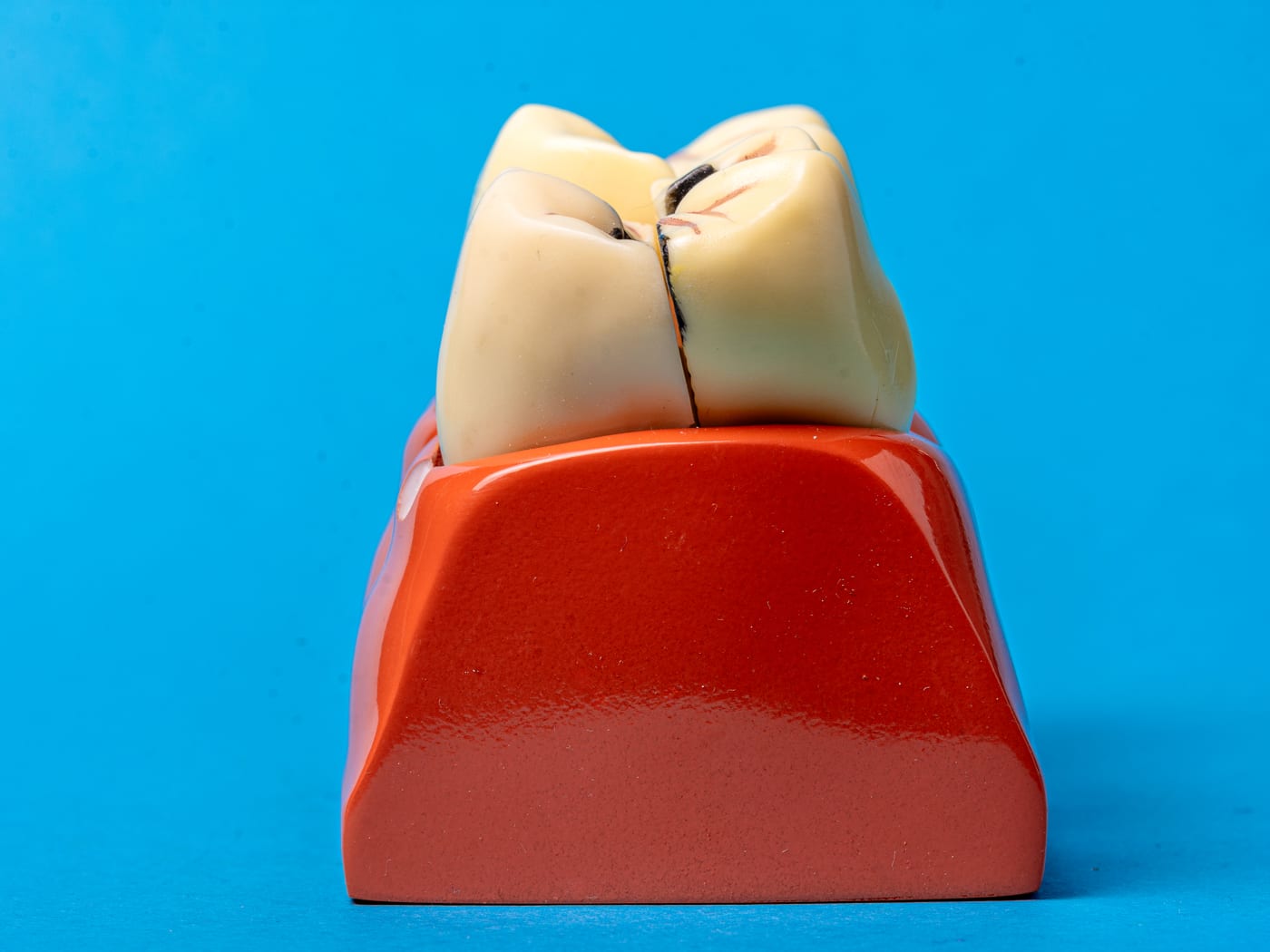
Cross-sectional model of cavity treatment

Endo Root Canal Treatment

Root canal treatment can be a final option for preserving a natural tooth when the pulp, which contains nerves and blood vessels, is infected or inflamed.

It may be needed when decay reaches the pulp, a tooth fractures or inflammation develops around a root. The affected pulp is removed through a small opening, and the space is cleaned and sealed to help preserve the tooth instead of extracting it.

Decay has reached the pulp tissue.
Pulp exposure is a concern.
The tooth is severely worn or eroded.
For a crown, extensive tooth preparation is required.
A tooth is cracked.
Following trauma, a tooth is fractured.
Magnified root canal treatment equipment

Endo Process Root Canal Treatment Steps

STEP 01

Pulp Removal

An opening is made in the tooth and damaged pulp tissue is removed.

STEP 02

Canal Disinfection

The space is carefully cleaned and disinfected.

STEP 03

Canal Filling

The cleaned canals are filled with a biocompatible material.

STEP 04

Restoration

A crown protects the tooth and restores function where indicated.

After Root Canal Treatment

  • Treatment duration varies with the condition of the tooth.
  • Avoid biting your cheek or lip while the area is still numb.
  • Use pain relief as advised. Contact the clinic if significant pain persists.
  • A crown may be needed after root canal treatment to protect the tooth.

Scaling Scaling

Removing calculus supports healthier teeth and gums and helps prevent oral disease.

Brushing alone cannot remove all hardened deposits. Professional instruments remove calculus, plaque and surface staining from teeth and gum margins to help prevent and manage gum disease.

Oral Health Support - Removing plaque and calculus helps address problems including bad breath.
Smoother Tooth Surfaces - Removing stains helps keep tooth surfaces clean and smooth.
Gum Disease Prevention - Regular care helps protect the tissues and bone supporting your teeth.
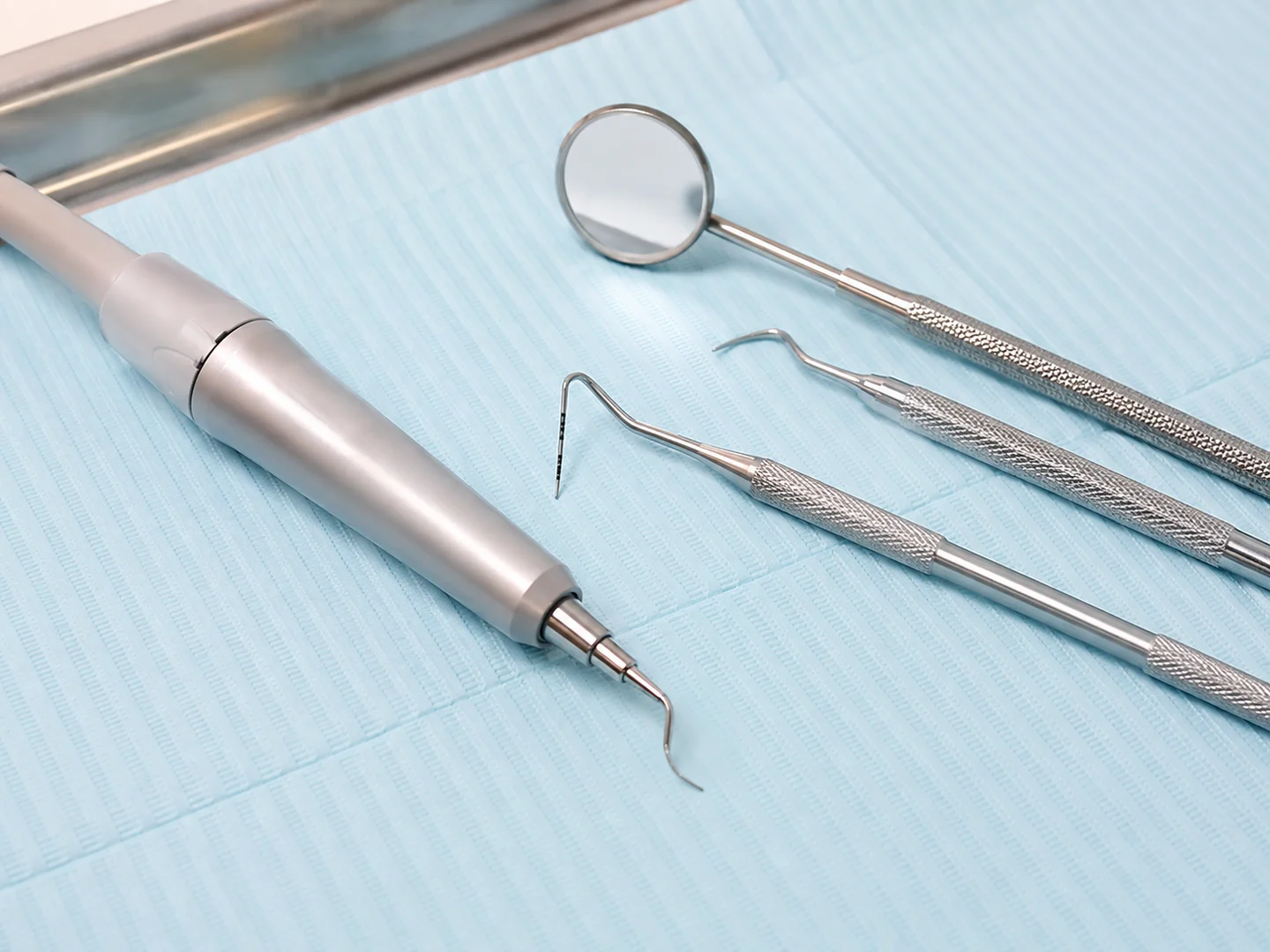
AI-generated explanatory image of an ultrasonic scaler and periodontal instruments, not the clinic's equipment
AI-generated explanatory image. Not the clinic's equipment.

Scaling Cycle How Often Should You Have Scaling?

01 With good oral hygiene, scaling is generally recommended at least once a year.
02 People who smoke may be advised to attend at least every six months.
03 People with gum disease may need care every three to four months.
04 Your dentist recommends an interval based on your oral anatomy and health.

Scaling Information

  • Eligible adults aged 19 and over can receive insurance-covered scaling once a year. Please confirm your eligibility and copayment with the clinic.
  • Inflamed gums may bleed slightly. Brush gently with a soft-bristled toothbrush as advised.

Perio Gum Treatment

Periodontal disease is a common reason for dental visits. We identify the cause of symptoms and select treatment suited to the individual.

Plaque and calculus are major causes of swollen, bleeding gums. Plaque is a sticky bacterial film on the tooth surface, while calculus is a hardened deposit containing bacteria and minerals.

Gum disease can begin with mild inflammation and progress into deeper supporting tissues and bone. It may advance with few symptoms, so early diagnosis and consistent care are important.

Root Planing - Removes deposits and affected tissue below the gum line.
Periodontal Surgery - Accesses deeper areas when disease has progressed.
Maintenance Care - Ongoing care helps reduce recurrence.
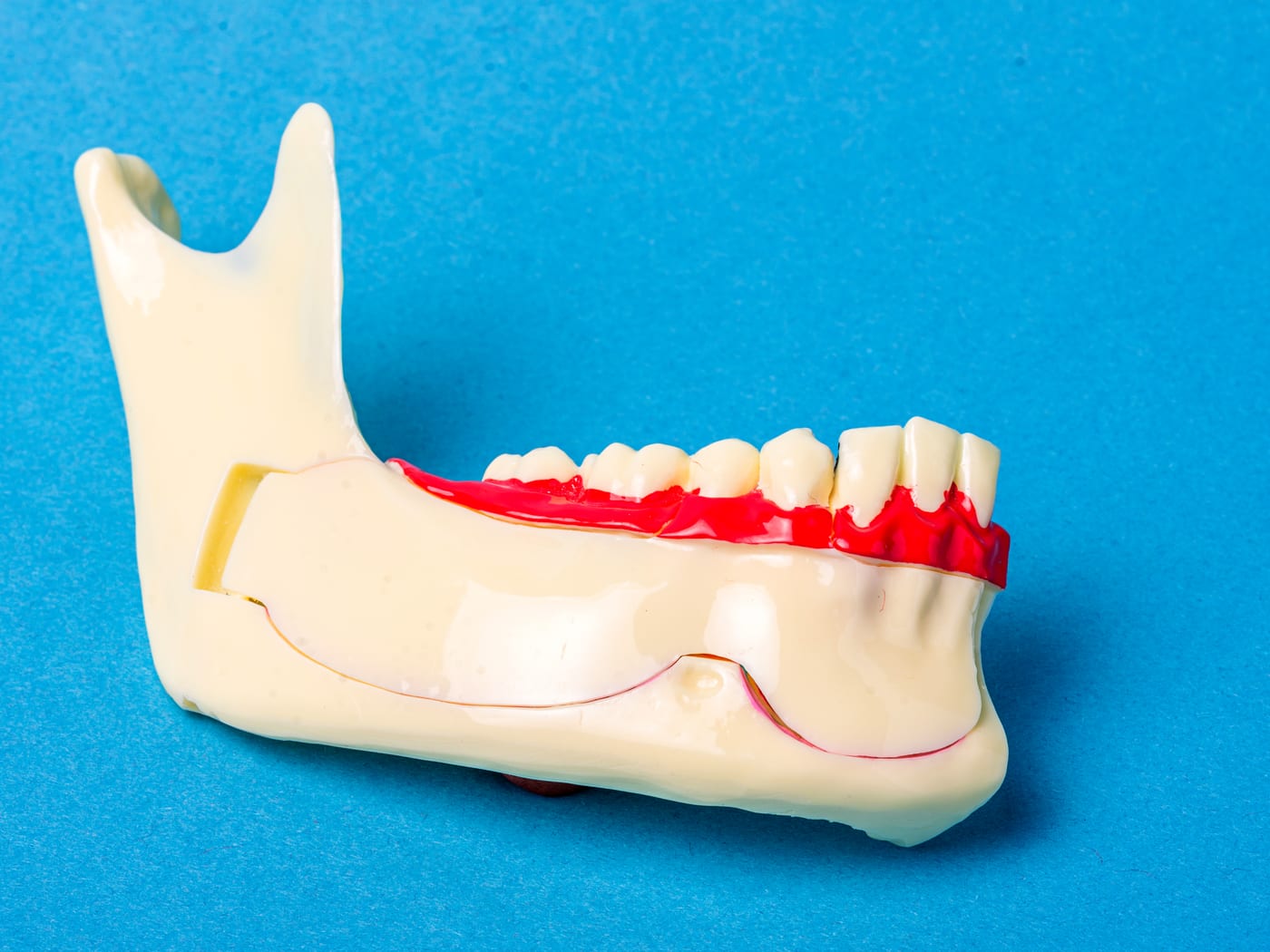
An anatomical model illustrating the gums and supporting jawbone

Prevention Prevention and Gum Health

Effective Daily Cleaning - Use floss or interdental brushes to clean between teeth and along the gums.
Calculus Removal - Regular scaling removes hardened deposits.

When to visit When to Visit

01 Bleeding gums
02 Swollen gums
03 Pus from the gums
04 Sensitive or loose teeth

Wisdom Wisdom Tooth Extraction

Wisdom teeth can lie close to important nerves. Their position needs careful assessment before extraction. Ask us to assess whether treatment at our clinic is appropriate.

Wisdom teeth, or third molars, are usually the last teeth to emerge. They may cause swollen gums, trapped food, decay or cysts in the jaw. The number of wisdom teeth varies between individuals.

Impacted wisdom teeth may lie horizontally, at an angle or vertically. Position affects extraction difficulty, so detailed assessment is necessary.

Horizontally impacted wisdom teeth
Angled impacted wisdom teeth
Vertically impacted wisdom teeth
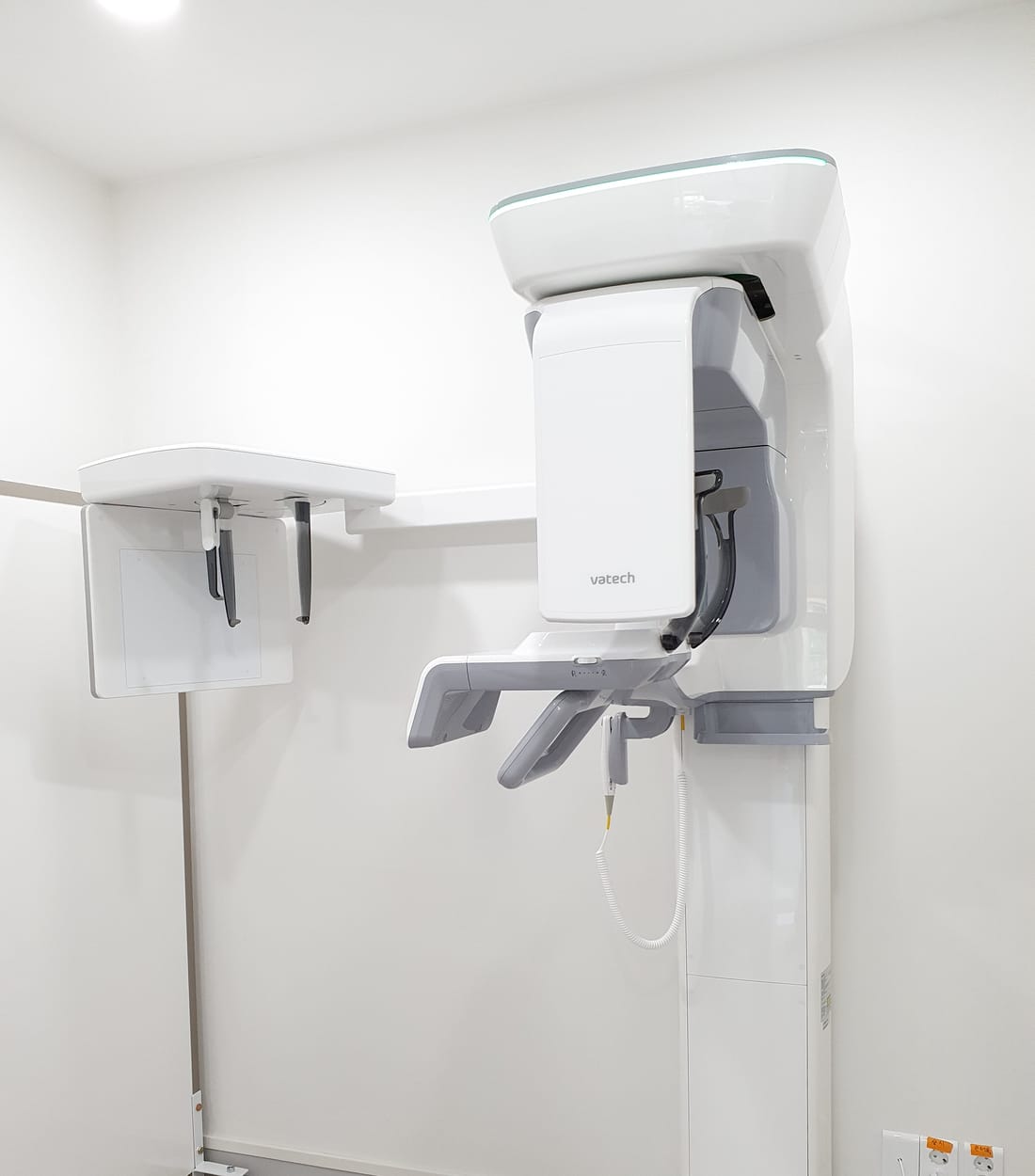
Seoul Point Dental Clinic digital CT

Wisdom Process Wisdom Tooth Treatment Steps

STEP 01

Examination and Planning

The tooth's position and direction are assessed and surgery is planned.

STEP 02

Gum Incision

An incision is made at the extraction site when necessary.

STEP 03

Creating Access

A small amount of bone may be removed to create space for extraction.

STEP 04

Extraction and Suturing

The wisdom tooth is removed and the gum is sutured.

Why extract Why Might Extraction Be Needed?

01 The area is difficult to clean with a toothbrush
02 Inflammation around the tooth causes gum or cheek swelling
03 Inflammation affects surrounding bone
04 The tooth's position affects nearby teeth

After Wisdom Tooth Extraction

  • Avoid forceful spitting. Follow the clinic's instructions for managing saliva and bleeding.
  • Avoid smoking and alcohol as instructed.
  • Bite firmly on the gauze as directed to help control bleeding.
  • Cold compresses may help ease swelling and discomfort.

FAQ Frequently Asked Questions

Decay can reach the pulp and lead to root canal treatment or extraction. Early treatment can preserve more of the natural tooth.
Anaesthesia helps control discomfort during treatment. Several visits are often needed, depending on the tooth's condition.
Eligible patients can receive insurance-covered scaling once a year. Some gum conditions require more frequent visits, such as every six months. Discuss your interval with the dentist.
Extraction may be recommended when decay, gum inflammation or impaction causes problems. A healthy, well-positioned tooth may instead be monitored. We decide after examination.
Bleeding during brushing can signal gum disease. Assessment, scaling and gum treatment may be needed. Untreated disease can damage supporting bone and loosen teeth.
Removing deposits can expose previously covered tooth surfaces and cause temporary sensitivity. This often settles within a few days. Tell us if it persists.
BC

Source Content: Author & Medical Reviewer

Baek Chang Hyun Director, Seoul Point Dental Clinic

The Korean source of this treatment guide was written and reviewed by Director Baek Chang Hyun, a prosthodontic specialist certified by Korea's Ministry of Health and Welfare. Seoul Point Dental Clinic prioritises accurate diagnosis and honest consultation.

  • Prosthodontic specialist certified by Korea's Ministry of Health and Welfare
  • Seoul National University School of Dentistry; master's and doctoral degrees in dentistry
  • Certified practitioner and lifetime member, Korean Academy of Prosthodontics
  • Certified practitioner, Korean Academy of Stomatognathic Function and Occlusion
Korean source last reviewed 2026.07.21. Source author and medical reviewer: Director Baek Chang Hyun
Consult & Reserve

Ask About Even Small Symptoms

Unsure about treatment? Let us begin by answering your questions.