Naver Booking (Korean)
Implants / IV Sedation

Implants with IV Sedation

Conscious sedation helps people who feel anxious about dental treatment receive care more comfortably. Comfort is a central principle of our practice.

IV Conscious Sedation at a Glance

Seoul Point Dental Clinic provides IV conscious sedation using intravenous midazolam. During treatment, pulse oximetry monitors oxygen saturation (SpO2) and pulse in real time and blood pressure is measured using NIBP equipment. Flumazenil, oxygen equipment and a bag-valve mask are kept in the treatment room. The clinical team has provided sedation treatment for 10 years.

What is it A More Comfortable Treatment Experience

Conscious sedation during implant treatment creates a relaxed, sleep-like state that helps reduce discomfort and dental anxiety.

Unlike general anaesthesia, conscious sedation allows spontaneous breathing. It can make lengthy implant procedures or multiple implant surgery more manageable.

Our sedation treatment uses intravenous (IV) midazolam. Midazolam is widely used in dental sedation, has a rapid onset when given intravenously and can be adjusted according to the patient's condition. Patients often remember little of the procedure.

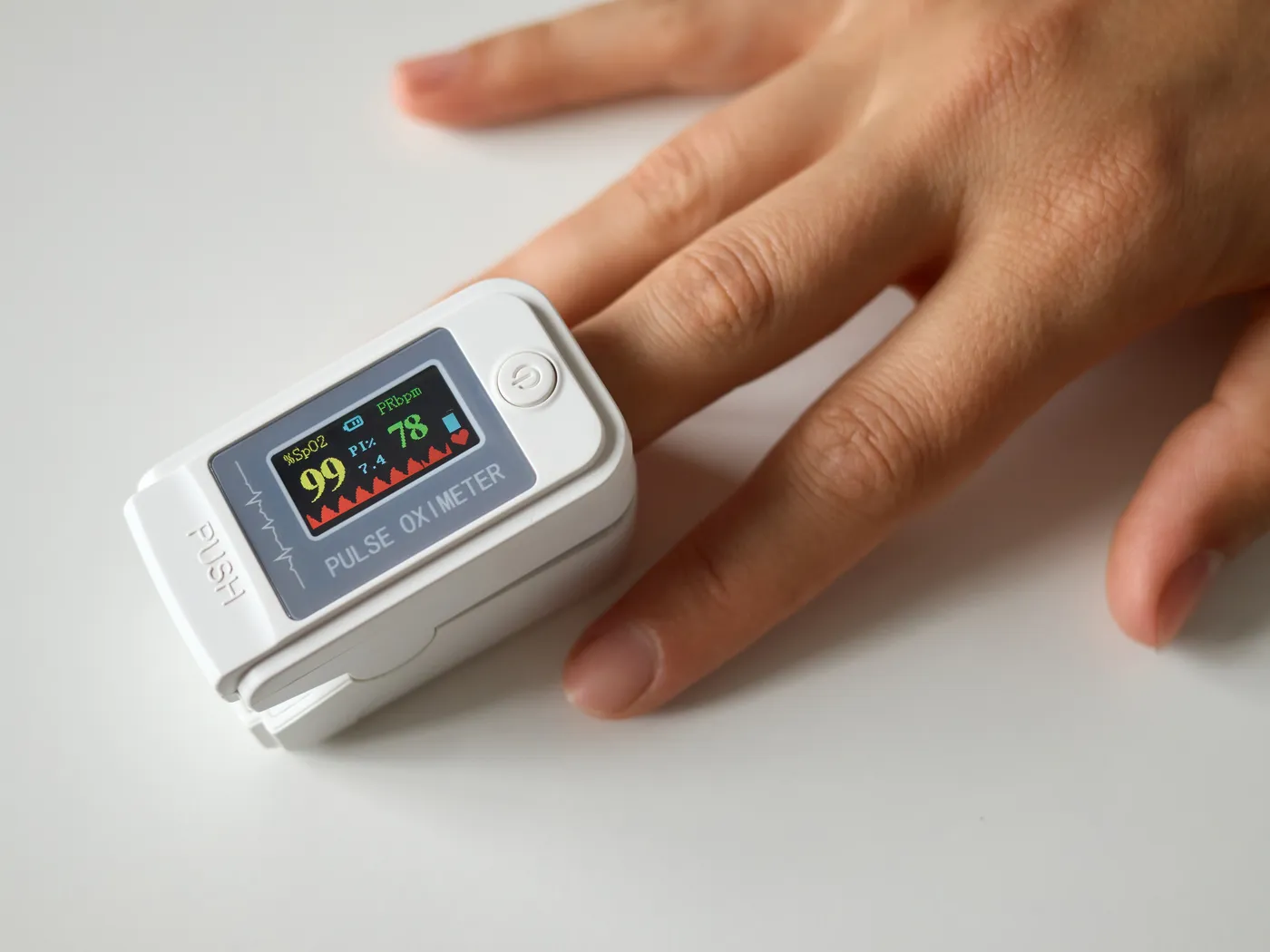
Oxygen saturation monitoring during IV sedation

Recommended for Who May Benefit

01 People with significant dental anxiety
02 People who need multiple implants
03 People who find it difficult to keep their mouth open for long periods
04 People who find lengthy treatment physically demanding

Benefits Benefits of Sedation Implant Treatment

Spontaneous breathing is maintained during conscious sedation.
Treatment is performed with physical and mental relaxation.
It may be possible to place multiple implants in one session and reduce the number of visits.

Monitoring How Is Your Condition Monitored?

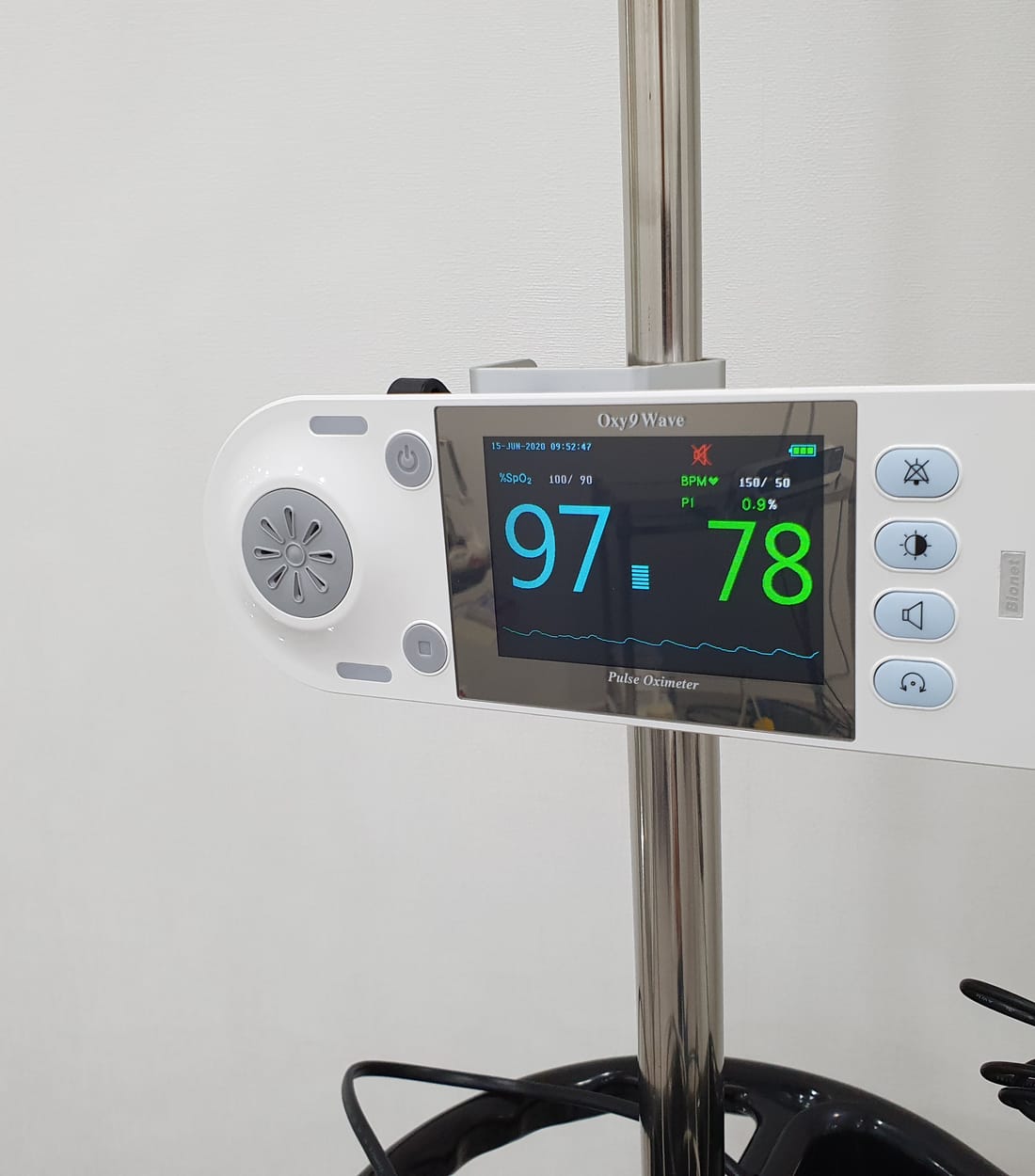
Throughout treatment, a pulse oximeter monitors oxygen saturation (SpO2) and pulse in real time and blood pressure is checked using NIBP equipment.

Oxygen saturation is a key monitoring measure during sedation. Changes are addressed promptly, with monitoring continuing from the start of sedation through recovery.

Seoul Point Dental Clinic vital-sign monitoring equipment

Emergency ready Emergency Preparedness

Flumazenil - A reversal agent for midazolam, available if sedation becomes deeper than intended.
Oxygen equipment - Provides oxygen if oxygen saturation falls.
Bag-valve mask - Supports breathing when spontaneous breathing becomes inadequate.
Non-invasive blood pressure monitor (NIBP) - Checks blood pressure before and during sedation.

One reason for using midazolam is the availability of a reversal agent. Sedation is provided with a means of reversing its effects.

Recovery What Happens During Recovery?

After treatment, you recover in the same treatment chair without being moved.

You are not moved immediately after sedation. The team monitors you in the same space until you are sufficiently alert and meet discharge criteria. Our team has provided sedation treatment for 10 years.

Process The Sedation Treatment Process

STEP 01

Health Assessment

A detailed consultation before surgery checks your current condition.

STEP 02

Starting Sedation

Licensed clinicians carefully guide you into conscious sedation.

STEP 03

Implant Surgery

Implant surgery begins after the team confirms an appropriate sedation level and comfort.

STEP 04

Recovery and Discharge

Drowsiness may remain after surgery. You recover in the treatment chair under observation and leave only after sufficient recovery.

Before Your Sedation Appointment

  • Do not drive on the day of treatment. Please arrange for an accompanying adult.
  • Follow the fasting instructions provided before treatment.
  • Tell us about all medicines, medical conditions including heart disease, and drug allergies.
  • Sedation may not be suitable for everyone. Suitability is determined after a pre-treatment assessment.
  • Temporary dizziness or drowsiness may occur. Avoid strenuous activity for about a day after treatment and choose light meals as advised.

FAQ Frequently Asked Questions

No. We use IV conscious sedation, not general anaesthesia. Treatment takes place in a relaxed, sleep-like state while breathing and protective reflexes are maintained.
Sedation helps reduce discomfort and anxiety, and patients often remember little of treatment. It can be particularly helpful for people with significant dental anxiety.
We review your medical history and health before sedation. Oxygen saturation and pulse are monitored continuously, with blood pressure also checked. Flumazenil, oxygen equipment and a bag-valve mask are available. Please disclose conditions such as hypertension or diabetes and all medicines before treatment.
Conscious sedation differs from general anaesthesia: you continue breathing independently and can respond to the clinical team, although you may remember little of treatment.
We use IV midazolam for conscious sedation. It has a rapid onset, can be adjusted to the patient's condition and has an available reversal agent, flumazenil.
Sedation may help with marked dental anxiety, a strong gag reflex or lengthy treatment involving multiple implant sites. We assess suitability during consultation.
You need time to recover after sedation. Do not drive that day, and arrange for someone to accompany you where possible.
You will need to fast for a specified period before IV sedation. We explain fasting times and other precautions when arranging your appointment.
Cost depends on the number of implants, bone condition and whether sedation is used. A detailed estimate is provided after consultation and examination.
BC

Source Content: Author & Medical Reviewer

Baek Chang Hyun Director, Seoul Point Dental Clinic

The Korean source of this treatment guide was written and reviewed by Director Baek Chang Hyun, a prosthodontic specialist certified by Korea's Ministry of Health and Welfare. Seoul Point Dental Clinic prioritises accurate diagnosis and honest consultation.

  • Prosthodontic specialist certified by Korea's Ministry of Health and Welfare
  • Seoul National University School of Dentistry; master's and doctoral degrees in dentistry
  • Certified practitioner and lifetime member, Korean Academy of Prosthodontics
  • Certified practitioner, Korean Academy of Stomatognathic Function and Occlusion
Korean source last reviewed 2026.07.21. Source author and medical reviewer: Director Baek Chang Hyun
Consult & Reserve

Ask Us About Sedation Implants

Unsure about treatment? Let us begin by answering your questions.